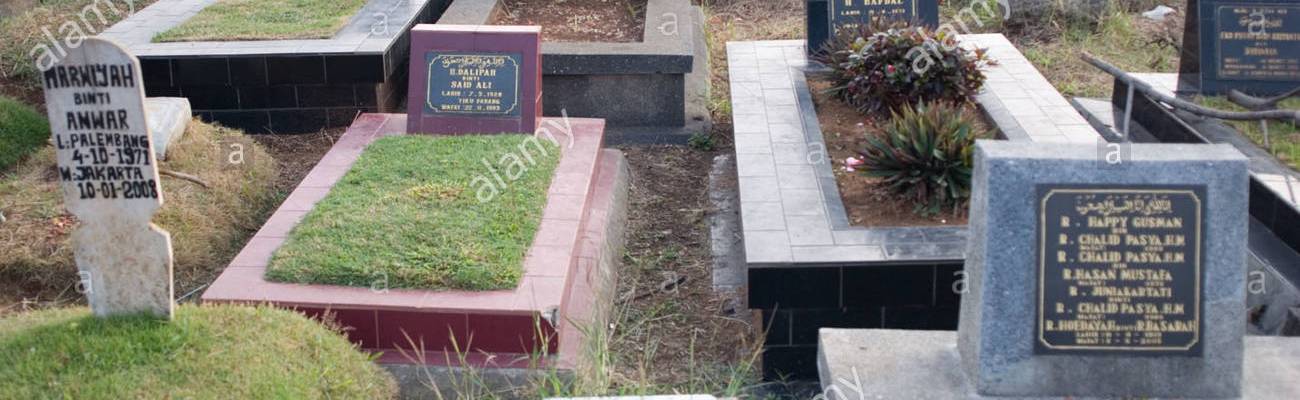
10-08-2018, Mumbai, India: Death may be the greatest of all Human Blessings.

Good Morning Everyone. It’s the Friday Post on a pleasant Friday Morning. A friend’s grandfather died recently. The man led a distinguished life, leading one of India’s biggest public-sector undertakings to some of its greatest achievements. When we met after she returned, she told me of the various rituals during his funeral and cremation. Quite naturally, the topic of Muslim funerals came up.
Before Cremation
Death in Islam
Islam asks its followers to remember death often. Its remembrance is likely to make people understand their insignificance and thus stay away from harming others for their personal good. When they start anticipating that their end is near, Muslims, in my experience, become more religious. The fervour in their prayers and the sincerity in their belief increases.
Muslims are advised to visit graves regularly for the same effect. We are also advised to pray for our deceased and engage in charity on their behalf. Muslim eschatology, like all Abrahamic religions, conceptualises heaven and hell as a reward or a punishment for a person’s actions in her or his earthly life.
On the Deathbed
People on their deathbed are advised to recite the article of faith – There is no God but God and Muhammad (sallallahualaihiwasallam) is his prophet. The family members recite verses from the Quran to them. The Chapter Ya-Sin is considered beneficial for such people. Generally, close family members try and be with such people regularly in an attempt to make their last few days as easy as possible.
After the Death
An atmosphere of gloom takes over the household upon somebody’s death. Human grief knows no religion. Muslims react to death the way anyone else would. There are no rituals or customs attached to mourning in Islam and Muslims generally follow this. Hence, there is no special clothing or any protocol to be followed. Generally, the house of the deceased doesn’t prepare food till cremation but that is only a local custom and not a requirement. The neighbours take care of the deceased’s family members.
The Cremation
Getting the body ready
The dead are supposed to be buried as soon as possible in Islam. Therefore, any close relatives are asked to come over as quickly as possible. The maximum delay I have seen between death and cremation is two days, and that’s a rare occurrence. The cremation process starts with bathing the dead in a prescribed way. Post this, the body is clothed in a white shroud and kept in the bier for people to pay respects. It’s a tradition to look at the face of the dead for one last time before the burial.
The Funeral Prayer
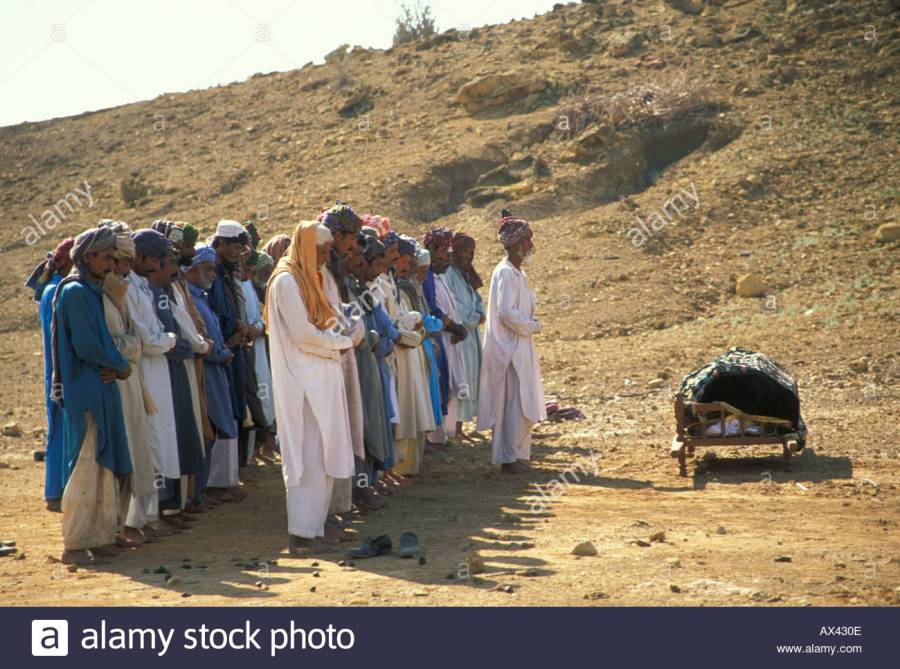
The cremation mostly takes place after one of the five prayer times. Islam requires funeral prayers to be offered for the deceased. Therefore, the body is taken to a mosque, where after the main prayer, people congregate and offer the funeral prayers. People pray for the deceased’s forgiveness. After the funeral prayers, the body is carried in the bier to the burial ground. People carry the bier on their shoulders and people consider it a good deed to “give” a shoulder to the bier.
Laying the body to rest
Once inside the burial ground, the bier is placed to rest and a grave is dug about four to five feet deep. Two close relatives descend in the grave and carry the body with them. It’s considered a very tough task to carry the body into the grave because of the huge emotional significance of the same. The body is then left there and the grave is filled with the dug-up soil. Often, the grave is covered with flowers. Everyone then prays for the forgiveness of the deceased and then departs to her or his house to express their support to the bereaved family.
After the Cremation
A few days after the cremation
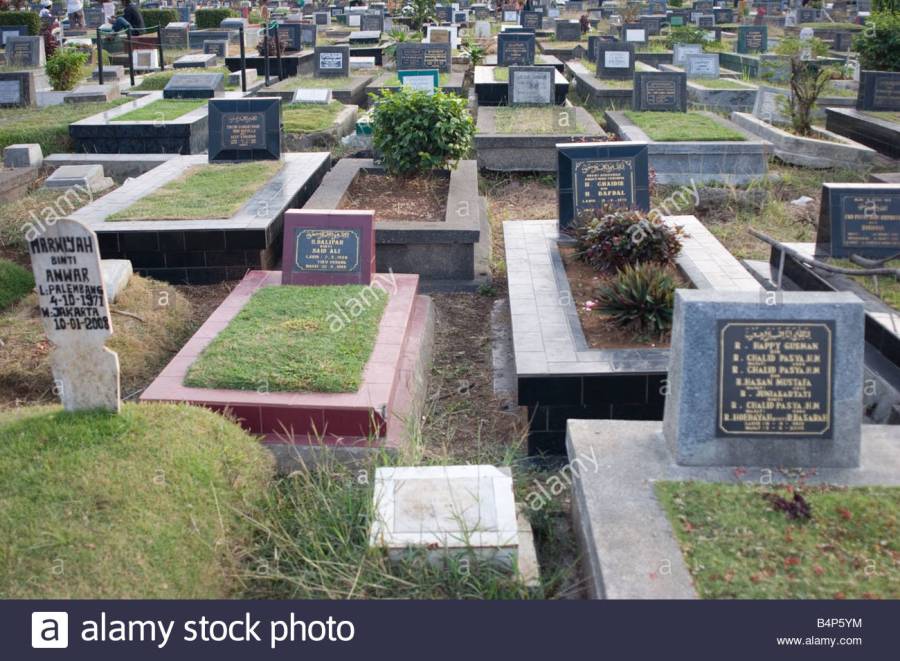
After returning from cremation, the members of the household generally involve themselves in prayers and supplications for the deceased. Immediately after the cremation, they invite everyone for a recital of the Quran at their homes. This gathering is also associated with some food. Even though there is no requirement as such, these gatherings are held on the third and fortieth day after the death. People with enough resources also feed the poor on these days after the recital ceremonies.
Regular remembrance of those who left us
People also keep praying for their departed loved ones. Quite often, they visit their graves if possible. On the night of the fifteenth of Shaban (an Islamic month), Muslims pray for their departed and visit their graves with special fervour. This night is called Shab – e – baraát or the night of deliverance. They also do charitable deeds in the name of their loved ones.
Conclusion
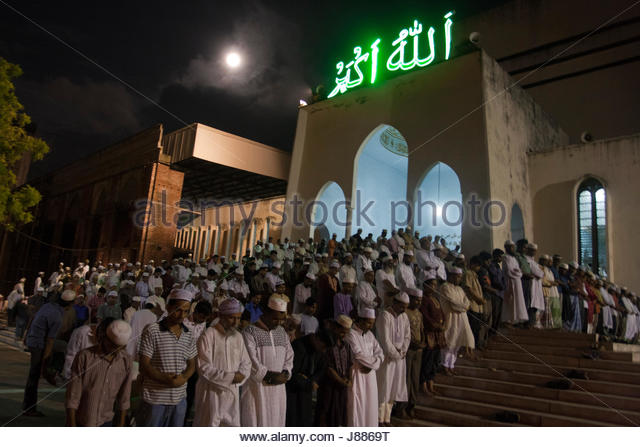
I don’t really know how to conclude something about death. All I can say is Islam treats death as a journey to the next world and urges its followers to always remember their own deaths. Next week, I will talk of something simpler and more cultural than religious. Till then, live long and prosper!
This post has also been published here.
 A LAYMAN PERSPECTIVE